23 November 2026
What to compare when choosing between aesthetic treatment providers
Presented by @skinrituals
Understanding what sets providers apart
When you start looking into aesthetic treatments, the number of clinics, salons, and specialists can feel overwhelming. Each one offers a slightly different experience, and the decision often comes down to more than just price or location. Knowing what to compare between providers helps you make a choice that fits your needs and gives you confidence in the outcome.
The first thing to consider is the range of treatments on offer. Some providers focus on a handful of core procedures, while others have a broad menu that covers everything from injectables to laser work and skin peels. A wider treatment menu can be useful if you are considering a combination approach, where one treatment supports another. But a narrower focus often means the practitioner has deeper experience in those specific areas. Neither is better across the board - it depends on what you want to achieve.
Practitioner credentials and experience
Credentials matter a great deal in aesthetic medicine. Look for qualifications that are recognised by professional bodies in the UK, such as the General Medical Council for doctors, the General Dental Council for dentists, or the Nursing and Midwifery Council for nurses. Many providers also hold additional certifications from training academies that specialise in aesthetic procedures. These indicate that the practitioner has gone beyond basic training to develop specific skills.
Experience is not just about how many years someone has been practising. It also matters how many times they have performed the particular procedure you are considering. A practitioner who does a high volume of a specific treatment is likely to have refined their technique and can handle variations in anatomy or skin type more confidently. During a consultation, you can ask how often they perform the treatment and what results you can realistically expect.
Consultation quality and communication
A thorough consultation is one of the most telling signs of a good provider. During this meeting, the practitioner should take time to understand your medical history, discuss your goals, and explain what the treatment can and cannot do. They should also talk about potential risks and side effects openly. If the consultation feels rushed or the practitioner glosses over details, that is a red flag.

Good communication goes both ways. You should feel comfortable asking questions and raising concerns. The provider should listen carefully and give clear answers in plain language, not just technical jargon. This is your chance to gauge whether the practitioner respects your input and treats you as a partner in the process, rather than just a patient to be processed.
Clinic location and environment
Location can affect how convenient it is to attend appointments, especially if you need multiple sessions. A clinic close to home or work makes it easier to stick with a treatment plan. But convenience should not outweigh quality. If the best provider for your needs is a bit further away, the extra travel may be worth it for better results or a safer experience.
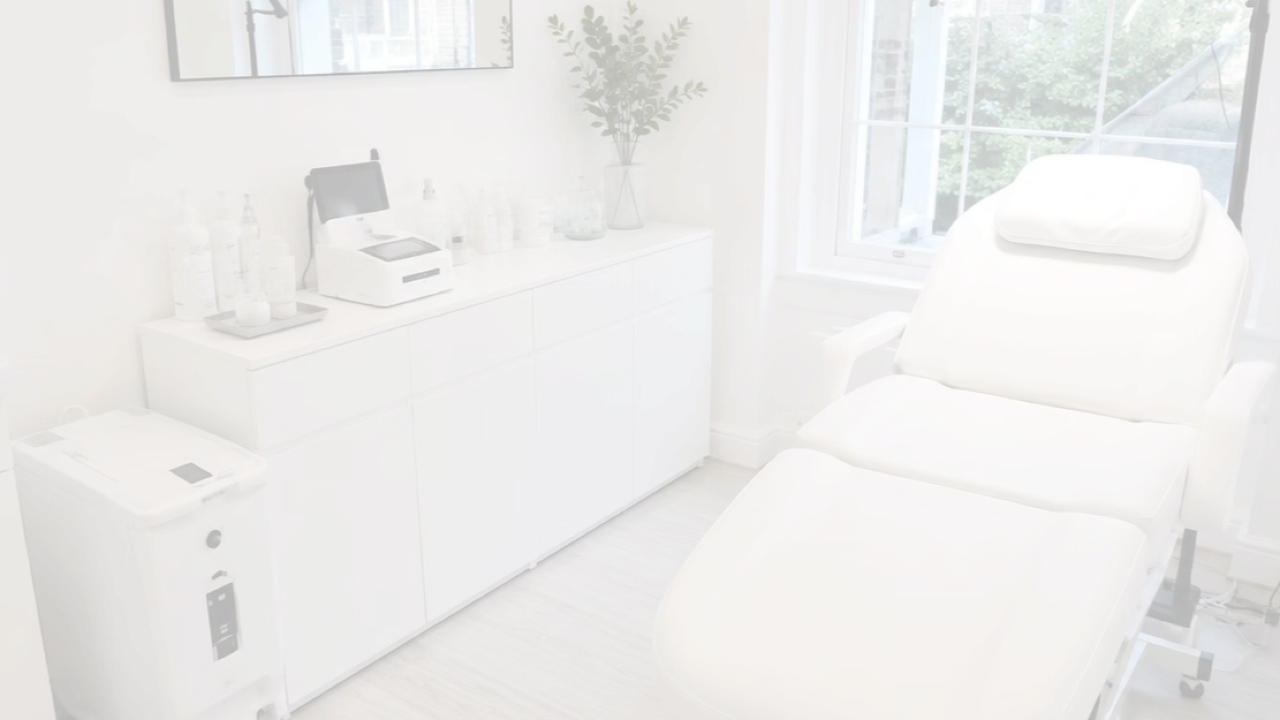
The clinic environment itself also matters. Look for a clean, well-maintained space where hygiene standards are clearly high. The reception area, treatment rooms, and equipment should all appear professional. A tidy, organised clinic suggests that the provider takes their work seriously and follows proper protocols.
Treatment approach and technology
Different providers may use different techniques or equipment for the same treatment. For example, one clinic might use a particular brand of laser for hair removal, while another uses a different system. The technology itself is less important than how well the practitioner knows how to use it. An experienced provider can get good results with a range of devices, while a less skilled one may struggle even with top-of-the-line equipment.
Ask about the approach they take. Do they customise the treatment to your skin type and concerns? Do they explain what happens during the procedure and how many sessions are typical? A provider who tailors the treatment to you, rather than using a one-size-fits-all approach, is more likely to achieve satisfying results.
Client reviews and reputation
Client reviews can give you a sense of what to expect, but they should be taken with some caution. A handful of glowing reviews may not tell the whole story, and a single negative review could be an outlier. Look for patterns in the feedback. Do many people mention the same positive qualities, like a gentle touch or clear aftercare instructions? Or do several reviews point out issues like long waiting times or poor communication?

Independent review platforms and directories can be more reliable than testimonials on a clinic's own website. Resources like aestheticdirectory.co.uk list providers and let you compare information in one place. Using a directory helps you see a wider range of options and check details such as treatment menus, locations, and practitioner credentials without having to visit each clinic's site individually.
Aftercare and follow-up
Good aftercare can make a significant difference to your results. A responsible provider will give you clear instructions on what to do after the treatment and what to avoid. They should also tell you what signs to watch for that might indicate a complication and how to contact them if you have concerns after hours.
Some providers include a follow-up appointment to check your progress and address any issues. Others may offer a phone or email check-in. Knowing what kind of support you will receive after the procedure helps you feel more secure, especially if you are trying a treatment for the first time.
Medical history and safety protocols
A provider who takes your medical history seriously is one who prioritises safety. They should ask about any medications you take, past surgeries, allergies, skin conditions, and whether you have had previous aesthetic treatments. This information helps them decide if the treatment is suitable for you and how to adjust it if needed.
Safety protocols should be visible throughout the process. Are consent forms thorough? Do they explain the risks in a way you understand? Is the practitioner willing to say no if a treatment is not right for you? A provider who is cautious and puts safety first is more trustworthy than one who promises perfect results without discussing the potential downsides.
Putting it all together
Comparing providers is about matching their strengths to your priorities. If you value convenience and a wide range of options, a larger clinic with multiple practitioners might suit you. If you prefer a more personal experience and deep expertise in a specific area, a smaller specialist practice could be a better fit. There is no single right answer, but by looking at credentials, consultation quality, aftercare, and the overall approach, you can make an informed choice.
Take your time during the research phase. Book consultations with more than one provider if you can. This gives you a chance to compare how they communicate and whether you feel comfortable with them. A good provider will welcome your questions and never pressure you into a decision.
Using a directory like aestheticdirectory.co.uk is one way to start your search, as it brings together many providers in one place. But no matter where you begin, the most important step is to gather the right information and trust your own judgment. When you find a provider who listens carefully, explains things clearly, and shows genuine care for your safety and satisfaction, you are on the right track.